Blastomycosis
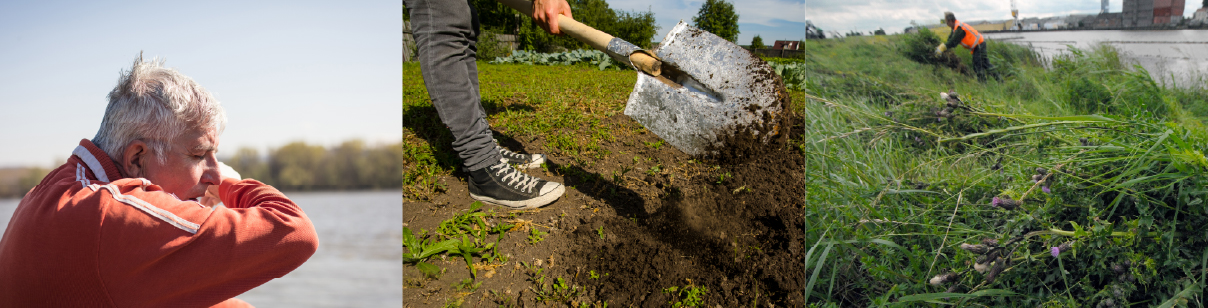
Blastomycosis is a rare but potentially serious lung infection caused by the Blastomyces fungus. While cases are uncommon in New York, recent reports suggest it is becoming more common in some upstate regions. Because the symptoms of blastomycosis are similar to those of more common diseases, it can sometimes be overlooked at first. The fungus lives in moist soil and decaying leaves or wood, especially near rivers and wooded areas. People become infected by breathing in fungal spores stirred up from soil or decomposed wood. Blastomycosis does not spread from person to person.
What are the symptoms of blastomycosis?
Symptoms usually appear 3 weeks to 3 months after exposure and can include:
- Fever
- Cough
- Chest pain
- Shortness of breath
- Fatigue
- Night sweats
- Muscle or joint aches
- Skin lesions
In some cases, the infection spreads outside the lungs to the skin, bones, brain, and spinal cord.
How is blastomycosis diagnosed?
Doctors may suspect blastomycosis when someone has symptoms of lung infection (pneumonia) that don't get better with antibiotics, especially if they live in or visited areas where the fungus is common.
Because no single test is perfect, doctors often use a combination of clinical information and tests to diagnose blastomycosis and guide treatment. This can include:
- Chest X-rays or CT scans
- Urine or blood antigen tests
- Microscopic examination or culture of sputum, lung washings, tissue samples, or skin lesions
While results from blood and urine tests are typically available in a few days, it can take a few weeks to grow (culture) a sample in the laboratory for identification.
How serious is blastomycosis?
Blastomycosis is rare but can be serious if untreated. Most people recover fully with antifungal treatment, but:
- About 8–10% of hospitalized patients with blastomycosis die each year in the U.S.
- Risk of severe illness or death is higher:
- In people with a weakened immune system from prolonged use of medicine like corticosteroids, chemotherapy, transplant drugs, or therapies for autoimmune diseases.
- In people with diseases that weaken the immune system, including HIV/AIDS, certain cancers (like leukemia), uncontrolled diabetes, chronic kidney disease, and severe malnutrition.
- When diagnosis and treatment are delayed.
Who has an increased risk of becoming infected with Blastomyces?
People who engage in activities that disrupt soil such as construction, excavation, landscaping, farming, or trail work in wooded/riverside areas where Blastomyces lives are at increased risk of breathing in fungal spores.
How can I lower my risk of getting blastomycosis?
- If you take medicines or have conditions that weaken your immune system, speak with your healthcare provider about your risk of working or traveling in areas where blastomycosis occurs.
- Workers exposed to soil and dust (construction, farming, or landscaping) in areas where Blastomyces is found should speak to their employer about ways to reduce their risk. You can also find more information here: Prevent Fungal Diseases in the Workplace | CDC
How is blastomycosis treated?
Blastomycosis is treated with prescription antifungal medicines. The type of medicine and length of infection depends on how severe the infection is and the person's overall health. Most people need to take antifungal medication for several months, and treatment usually leads to full recovery.
Can pets become infected with Blastomyces?
Dogs are especially susceptible to infection because they sniff and dig in soil. The spread between animals and humans through bites is possible but very rare. It does not spread from animals to humans through the air. Dogs with blastomycosis can act as an early warning sign of the fungus in the environment. If your dog develops a cough, weight loss, eye problems, or skin lesions, contact a veterinarian.
Sources:
Statistics: Data and Statistics on Blastomycosis | CDC
Clinical Overview: Clinical Overview of Blastomycosis | CDC
