Avian Influenza (Avian Flu, Bird Flu, H5N1)
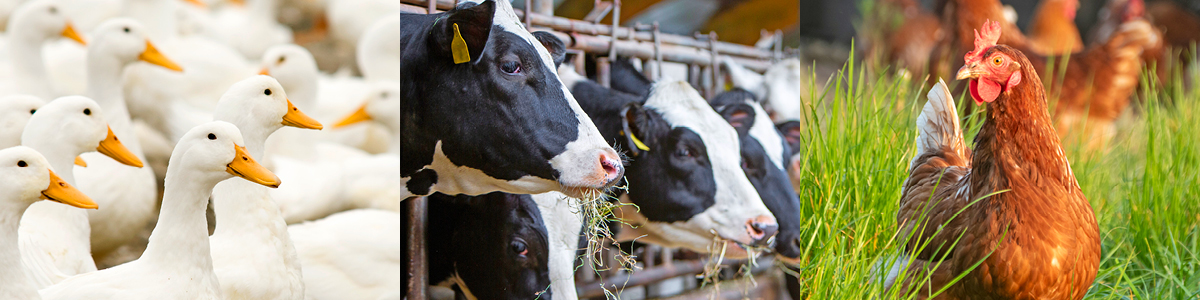
- Avian influenza (also called "bird flu") is a disease caused by a group of viruses that occur naturally in wild birds and can spread to poultry, dairy cattle, and other mammals.
- The risk to the public from avian influenza is low. People with exposure to infected animals are at higher risk.
What is avian influenza?
Avian influenza is a disease of birds, usually carried by wild ducks and other waterbirds. Sometimes, this disease can spread from wild birds to domestic poultry. In the beginning of 2024, it also spread from wild birds to dairy cattle, and it has continued to spread between dairy farms in multiple states. Other names for avian influenza include avian flu, bird flu, highly pathogenic avian influenza, HPAI, or H5N1. H5N1 is the strain of avian influenza virus currently circulating in wild birds, poultry, and dairy cattle in the United States.
Can people get avian influenza?
Yes, people can get avian influenza, but the risk to the general public is low.
Rarely, avian influenza has passed to humans who had direct contact with infected birds and mammals, including dairy cows. Since 2022, several people have had confirmed avian influenza infections in the United States, including workers on dairy and poultry farms who worked with infected animals. Most of these people have not required hospitalization and have made full recoveries. People who become ill with avian influenza can have symptoms that range from mild to severe, including death, but severe disease is uncommon.
To date, there is no evidence that avian influenza has spread from person to person in the United States.
If you work with dairy cattle or poultry, you may be at higher risk of being exposed to avian influenza. To learn more about reducing your risk, visit our pages for dairy workers and people who handle poultry.
What are the symptoms of avian influenza in people?
A very common symptom of avian influenza is red, itchy eyes (conjunctivitis), though not everyone with avian influenza will have this symptom. Other symptoms may include:
- Fever or feeling feverish
- Cough
- Sore throat
- Runny or stuffy nose
- Muscle or body aches
- Headaches
- Fatigue
Less common symptoms include diarrhea, nausea, or vomiting.
Though less common, avian influenza can also cause severe disease including high fever, shortness of breath or difficulty breathing, altered mental status, and/or seizures. If you experience these symptoms, get medical attention right away.
Why is avian influenza a public health concern?
Both human and avian influenza viruses are constantly changing. There is concern that avian influenza viruses could change into a form that easily spreads from birds to humans and then from human to human. If this happens, an influenza pandemic could occur. For this reason, animal health officials are watching closely for avian influenza in poultry, wild birds, and mammals in the United States. Early detection of avian influenza is important to prevent the spread to other animals and to protect human health.
Learn more about how the Department of Health is responding to avian influenza.
Has avian influenza been detected in New York?
Yes. Since 2022, avian influenza has been found in domestic poultry, wild birds, and a few species of wild mammals in New York.
To date, there have been no human cases of avian influenza and no detections in cattle in New York.
Additional Information about Avian Influenza
How avian influenza spreads
How does avian influenza spread from place to place?
Wild birds can carry the avian influenza virus without getting sick, allowing them to spread the virus to new areas as they migrate. Birds become infected from direct contact with sick birds or contact with areas or objects contaminated by sick birds. The virus can also spread between farms when infected animals or contaminated equipment are moved from farm to farm.
How do people get sick from avian influenza viruses?
Avian influenza virus is found in the saliva, nasal fluids (snot), and feces (poop) of infected birds. Avian influenza virus is also found in the milk and nasal fluids (snot) of infected dairy cows. Avian influenza rarely spreads to humans who do not have close contact with infected animals. Most people who have been infected with avian influenza in the United States have:
- come into direct contact with infected birds, such as chickens or ducks for a long time OR
- have spent a long time near infected dairy cows or raw milk from infected cows.
What can I do to protect myself and my family from avian influenza viruses?
People who do not have direct contact with infected animals are at very low risk of getting avian influenza. There are general precautions that you can take to reduce your chance of getting sick from any disease carried by animals:
- Wash your hands with soap and water or use hand sanitizer containing at least 60% alcohol if soap and water are not available after contact with animals.
- Avoid contact with animals that appear to be sick or are dead, including birds.
- Thoroughly cook eggs and meat before eating and wash all utensils and preparation areas thoroughly with soap and hot water.
- Do not drink any raw milk or eat raw milk products. Only consume milk or milk products that have been pasteurized.
- Wash your hands frequently when preparing food.
- Owners of domestic livestock, including cows, poultry, and waterfowl, should contact their veterinarian if any of their animals appear sick.
- Hunters should hunt and process only animals that look healthy, wear gloves when handling any animal, clean and disinfect any equipment used for cleaning game, and cook all game meat thoroughly.
- If you work with dairy cattle or poultry, you may be at higher risk of being exposed to avian influenza. To learn more about reducing your risk, visit our pages for dairy workers and people who handle poultry.
Is it safe to eat meat and eggs?
Yes. There is no evidence that properly cooked meat or eggs can be a source of avian influenza infection. The poultry industry uses strict monitoring for avian influenza, and outbreaks are quickly detected and controlled before infected products enter the food supply. Because other common diseases such as Salmonella infection can be spread by eating undercooked poultry or eggs, always thoroughly cook them and practice good food safety at home.
Is it safe to drink milk?
Yes, drinking pasteurized milk is safe. Pasteurization, or heating milk to kill germs, kills the avian influenza virus, so people cannot get infected from drinking pasteurized milk. Raw (unpasteurized) milk is never safe to drink, and the Department of Health strongly recommends that people do not drink raw milk or eat products made from raw milk.
Avian influenza and wild birds
I found a dead bird in my yard. What should I do?
It is safest to assume any dead wild bird is infected with avian influenza and avoid contact with the bird. Keep pets and children away from dead birds too. To dispose of a dead bird safely:
- Wear disposable gloves, a mask, and eye protection, like safety glasses or goggles.
- Avoid direct contact with the carcass or carcass fluids by using a shovel or a garbage bag to pick up the bird.
- Carcasses should be triple bagged (garbage or contractor bags) and placed in an outdoor trash receptacle.
- Remove and throw away your gloves. Wash your hands with soap and water immediately after removing gloves.
- Change your clothes and wash them after disposing of the bird.
- If you used a shovel, clean it with hot, soapy water and disinfect it with diluted bleach.
You can easily report observations of dead birds to DEC on their website: Animal Diseases. Once a report is received, DEC will decide if testing is needed. DEC's field response is guided by the report's details, including the number of sick or dead birds, bird species, and observations from new areas where HPAI has not yet been documented.
Is it okay to keep my bird feeder out?
There is no need to take down feeders unless you also keep domestic poultry. While the risk of an outbreak among songbirds is low, we recommend regularly cleaning bird feeders and baths to prevent disease. Always wash your hands thoroughly after handling bird feeders, birdbaths, or any items related to wild birds.
Is it okay to feed wild ducks, geese, and other waterfowl?
No. There are many reasons that you should not feed ducks and geese. Feeding ducks and geese increases the chance of spreading many diseases that are common among waterfowl, including avian influenza. It makes them more likely to approach humans and may cause them to become a nuisance as they lose their natural behaviors. Foods that people eat such as bread, popcorn, and even seeds have little nutritional value for these birds and can make them sick. It is best to enjoy your local wildlife from a distance and under natural conditions.
Should I stop hunting waterfowl or other game birds?
No. There is no need to stop hunting waterfowl or other game birds. However, hunters should always take simple precautions to protect themselves from exposure to disease, including:
- Do not handle obviously sick or dead birds.
- Keep your game birds cool, clean, and dry.
- If you can't dress birds in the field, clean them in a location away from poultry and other birds.
- Do not eat, drink, or smoke while cleaning harvested waterfowl or other game birds.
- Wear rubber gloves when cleaning waterfowl or other game birds.
- After cleaning waterfowl or other game birds, remove your gloves and wash your hands with soap and water. If soap and water are not available, use an alcohol-based hand sanitizer.
- Use dedicated tools for cleaning game, whether in the field or at home.
- Clean tools and surfaces immediately with hot, soapy water and disinfect them with diluted bleach.
- Thoroughly cook harvested waterfowl or game bird meat (to an internal temperature of 165° Fahrenheit).
- Do not feed carcass parts to pets or leave behind for other wild animals to scavenge. Seal carcass and unwanted organs in plastic bags for disposal in trash.
- More information is available at What Hunters Need to Know (PDF).
For more information, see:
Avian influenza and pets
Can my dog or cat get avian influenza?
Yes, both cats and dogs can get sick from avian influenza. Cats are sensitive to avian influenza, and there have been multiple reports in the US of cats becoming sick with avian influenza after drinking raw (unpasteurized) milk or eating raw or undercooked meat. Avian influenza in cats can be severe and lead to death.
Dogs can get avian influenza, but they appear to be less at risk than cats.
What can I do to protect my pets?
To protect cats and dogs from avian influenza, the American Veterinary Medical Association recommends:
- Keeping cats indoors.
- Keeping pets that do go outdoors away from wild birds, poultry, and cattle and their environments.
- Preventing pets from eating dead birds or other animals.
- Avoiding feeding pets raw meat or poultry and unpasteurized (raw) milk.
Can my dog or cat give me avian influenza?
The risk of people getting avian influenza from their cat or dog is very low, and there have not been any human cases of avian influenza related to contact with a cat or dog. If your pet is diagnosed with avian influenza, you should limit your exposure to them while they recover and monitor yourself for illness.
Seek veterinary care if your dog or pet has any of the following signs, which can be caused by avian influenza and other animal diseases:
- Fever
- Lethargy (little energy)
- Low appetite
- Reddened or inflamed eyes
- Discharge from the eyes and nose
- Difficulty breathing
- Neurologic signs, like tremors, seizures, incoordination, or blindness
For more information, see:
More information about avian influenza
Resources