Protect Yourself From Legionnaires' Disease at Home
Prevent Legionnaires' Disease at Home is available in English in print (PDF) and to order.
If you are an older adult or have a chronic health condition, you may be at higher risk of Legionnaires’ disease, which causes pneumonia-like symptoms. Learn what you can do to reduce your risk at home.
About Legionella and Legionnaires’ Disease
Legionnaires’ disease is caused by a type of bacteria called Legionella, which grow in warm water, such as large plumbing systems, decorative fountains, hot water tanks, hot tubs, and cooling towers. Legionella grow best when water systems are either not well maintained or too cool. People can get Legionnaires’ disease when they breathe in water, mist or vapor containing Legionella.
People at Risk
Most healthy people exposed to Legionella don't get sick. However, certain factors can put people at increased risk for getting Legionnaires' disease:
- 50 years of age or older
- Having a chronic lung disease, such as Chronic Obstructive Pulmonary Disorder (COPD), or emphysema
- Having a weakened immune system from diseases like cancer, diabetes, or kidney failure
- Taking medicines that weaken the immune system (such as prescriptions given after a transplant operation or chemotherapy)
Advice to Reduce Risk
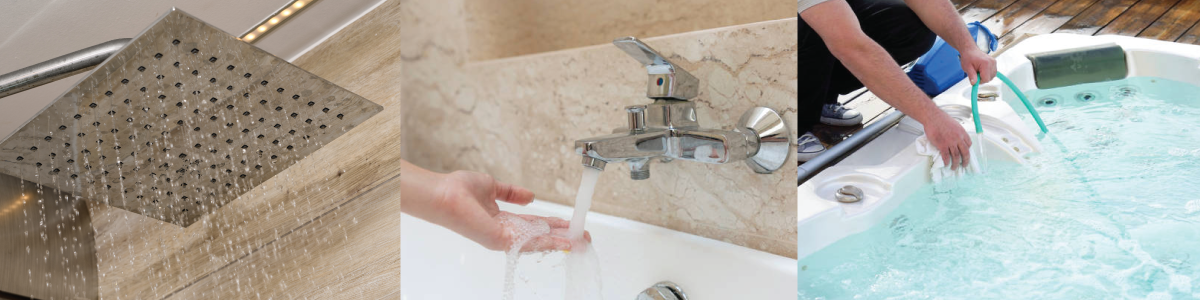
Prevent the growth of Legionella and other bacteria in household water systems by letting your water faucets run on low before you use them. Avoid splashing for 3 minutes if:
- They have not been used for three or more days
- Your home water system was turned off for plumbing work
- You received a boil water order notice
Around the Home
- Drain garden hoses and avoid leaving water-filled hoses lying in the sun. Warm, stagnant water promotes the growth of Legionella and other bacteria.
- Use the type of water recommended by your in-home medical equipment or health care provider. This includes humidifiers, CPAP or BiPAP machines, and neutralizers. Follow the manufacturer’s instructions for cleaning and use. Follow the advice from your health care provider if they recommend using sterile water.
- Follow the manufacturer’s instructions for cleaning and replacing all water filters, including whole-house water filters, and point-of-use filters (tap or refrigerator water/ice maker).
- Regularly check the chlorine level in your pool or hot tub because chlorine can kill Legionella and other bacteria.
- People who are at higher risk should avoid using devices that recirculate water, such as decorative fountains, where Legioenlla can grow.
- Consider raising your hot water heater temperature to between 130-140° F. Hotter water kills Legionella but also increases the risk of hot water burns. You can also mix hot and cold water at the tap before use to avoid injury.
- Flush your hot water heater twice a year and following the manufacturer’s recommendations for maintenance.
- Consider a water softener if you have hard water. A water softener will stop the buildup of scale in your piping that can provide a breeding ground for Legionella.
Hot Tubs
People can get sick if they breathe in small droplets of water, or mist, from hot tubs that contain Legionella and other bacteria. Germs in the hot tub water cause respiratory, skin, or gastrointestinal illnesses. Hot tub users should remember to:
- Shower before and after entering the water
- Never swallow the water
- Not use the hot tub if sick with diarrhea
- Avoid drinking alcohol before or during hot tub use
Properly maintaining hot tubs with the correct disinfectant (like chlorine) and pH levels reduces the risk of germs from spreading. Test your hot tub water regularly. Buy unexpired test strips at your local retailer or pool supply store. Use the test strips to check these levels:
- Free chlorine level should be at least 3 parts per million
- Bromine level should be at least 4 parts per million
- pH should be 7.0–7.8
Ask your hot tub operator about their cleaning and water treatment practices. You should only enter a hot tub if the following maintenance activities are performed:
- Daily removal of the slime or biofilm layer by scrubbing and cleaning
- Replacement of the hot tub water filter according to the manufacturer's recommendations
- Replacement of hot tub water as often as required by the health department or recommended by the manufacturer
If You Rent Out Your Home:
- Consider installing an automatic disinfectant system for the hot tub rather than hand feeding disinfectant. About half of Legionnaires’ disease patients who reported travel and staying at a vacation rental property may have gotten it from the hot tub.
- Follow manufacturer recommendations to properly maintain and operate water softeners and filters.
- Some filters use carbon to get rid of disinfectant residual to improve the taste of the water. Legionella can grow in filters that aren't properly maintained.
- Explore specific areas of concern in your home here.
Building Water Systems
Proper maintenance reduces Legionella in water systems. Building owners, managers, maintenance staff, water consultants, and laboratories all have a role in a facilities water management program to minimize Legionella growth. This tip sheet educates people on finding and minimizing Legionella growth. Consider a water softener if you have hard water since a water softener will stop the buildup of scale in your piping that can provide a breeding ground for Legionella.
