Lifestyle Medicine. Your Choices. Your Power. Six Pillars to a Healthier Life

Small daily habits. Lifelong health.
Chronic diseases - such as diabetes, heart disease, cancer, stroke, and arthritis - are the leading causes of disability and death in New York State:
- More than 40% of New York adults suffer from a chronic disease
- Six out of every 10 deaths in New York State are caused by chronic diseases
- Cardiovascular disease and cancer account for half of all deaths in New York State
- An estimated 1.9 million adult New Yorkers (12.3%) have diagnosed diabetes. The prevalence of diagnosed diabetes significantly increased over the past 10 years, from 10.0% in 2014 to 12.3% in 2024.
- The prevalence of diagnosed prediabetes is more than two times higher among adults who have been told by a doctor that they have high blood pressure compared to adults who have not (24.9% vs. 10.2%).
Did you know lasting adoption of healthy habits and behaviors can effectively prevent or control chronic diseases?
Lifestyle medicine focuses on the foundations of good and optimal health.
By making small, sustainable changes in your daily habits — what you eat, how you move, and how you manage stress — you can prevent and even improve disease that keeps you from living your best life.
- You do not need to change everything at once.
- Start small. Stay consistent. Enjoy health.
Six Pillars to a Healthier Life
1. Nutrition
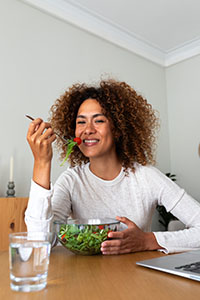
Focus on whole, minimally processed foods. Avoid ultra processed foods. Choose more fruits, vegetables, whole grains, beans, nuts and seeds for meals and snacks.
Small Start Ideas:
- Add one vegetable to dinner
- Swap sugary drinks for water
- Cook one more meal at home each week
For more information see: Nutrition (PDF) and Understanding Ultra-Processed Foods (PDF)
2. Physical Activity
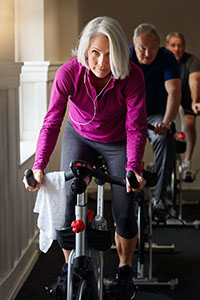
Move your body every day. Include activities that build strength, improve flexibility, and raise your heart rate.
Small Start Ideas:
- Take a 10-minute walk after meals
- Choose the stairs
- Stretch before bed
For more information see: Physical Activity (PDF)
3. Restorative Sleep
Create the right conditions to get 7-9 hours of quality sleep every night. Good sleep helps your body heal and reset.
Small Start Ideas:
- Go to bed at the same time each night
- Turn off screens 30–60 minutes before bed
- Keep your bedroom dark and cool
For more information see: Restorative Sleep (PDF)

4. Stress Management
Stress is part of life. Healthy coping skills help us to meet the ever-changing demands of life and build resilience.
Small Start Ideas:
- Practice deep breathing for 5 minutes
- Take a short walk outdoors
- Write in a journal before bed
For more information see: Stress Management (PDF)

5. Connectedness
Strong relationships improve both mental and physical health. Connections bring meaning and purpose to life.
Small Start Ideas:
- Call a friend
- Join a community group
- Eat one meal per week with others
For more information see: Connectedness (PDF)

6. Risky Substance Avoidance
Avoid behaviors that include the consumption of or exposure to harmful substances
Small Start Ideas:
- Talk with your clinician about support
- Set a quit date
- Reduce gradually with supervision
For more information see: Risky Substance Avoidance (PDF)

What Is Lifestyle Medicine?
Lifestyle Medicine is an evidence-based medical specialty that uses therapeutic lifestyle interventions to prevent, treat and reverse chronic conditions like type 2 diabetes, heart disease, and obesity. Understanding the pillars of lifestyle medicine can help you improve your health by addressing the root causes of disease. This can help you and your doctor focus on the basics of good health.
Conditions It Can Help With
- Type 2 diabetes,
- Heart disease,
- High blood pressure,
- Obesity,
- Fatty liver disease,
- Depression and anxiety,
- And many more
Start with Small Steps
You do not have to change your life overnight. Change works best when it is realistic and sustainable.
Take a moment to reflect:
- I believe my daily habits affect my health.
- I want to feel better and have more energy.
- I would feel more confident making changes with support.
Wherever you are in your health journey, it's okay. Change does not have to be dramatic. Small steps count.
The SMART method helps you set goals that are Specific, Measurable, Achievable, Relevant and Timebound, making it easier to track your success. For more info setting goals via SMART method, see:
- SMART Goals in Action (PDF)
- What is your SMART Goal for this week? (PDF)
- SMART goal setting handout (PDF)
Rethinking Type 2 Diabetes Care
Project Remission (contentwithpurpose.co.uk): A Lifestyle Medicine Approach to Type 2 Diabetes highlights how evidence-based therapeutic lifestyle interventions which address the root cause of chronic disease can offer a pathway to improved health, better outcomes, and potential remission of Type 2 Diabetes. Through short stories of impact from patients, clinicians, and health systems, Project Remission provides context and clarity on how lifestyle medicine is reshaping the treatment paradigm for type 2 diabetes.
Lifestyle Medicine in Action in New York (contentwithpurpose.co.uk): New York State Department of Health has partnered with community pharmacies across the state to provide comprehensive education to improve diabetes prevention and management through the Neighborhood Health Revolution
Talk to your Doctor
You do not have to do this alone. Lifestyle medicine strategies work best when you partner with your healthcare provider.
Conversation Starters:
- What small lifestyle change would help me most right now?
- How can we track my progress?
- What resources are available?
- How can my family be involved?
If you are a healthcare provider, learn more about helping your patients with Type 2 Diabetes with Lifestyle Medicine interventions (PDF) (nih.gov)
More information on Lifestyle Medicine can be found at LifestyleMedicine.org
Start Exploring
- Watch short videos about The Six Pillars of Lifestyle Medicine (vimeo.com)
- Explore healthy recipes – Download a Jumpstart Guide on healthy eating (PDF)
- Download a habit tracker (PDF)
- Learn more about diabetes statistics in New York State
Every small step moves you closer to better health. Your habits matter. Your health is worth it.
**Information courtesy of The American College of Lifestyle Medicine
