Skiing, Snowboarding, and Sledding Safety
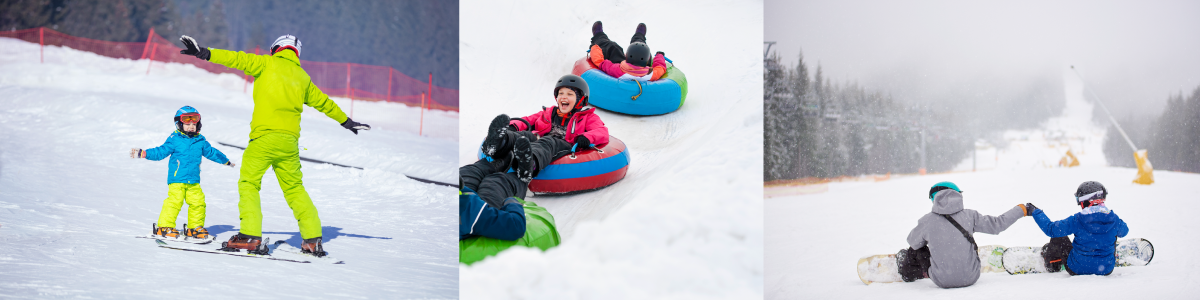
Winter sports are a great way to get exercise during the cold months. New York State has amazing access to ski mountains and sledding or tubing hills. However, winter sports can quickly become dangerous if they are not performed safely.
Protective Equipment
- Wear head protection designed for the sport. Everyone should wear sport-specific helmets while skiing and snowboarding to reduce the risk of sustaining a head injury. Children under the age of 12 should wear a winter sports helmet when sledding or tubing.
- Wear appropriate protective gear designed for the sport.
- Skiers should have skis with safety bindings and snowboarders should wear gloves with built-in wrist guards. Both skiers and snowboarders should wear goggles.
- Wear several layers of light, water- and wind-resistant clothing, including gloves and hats to stay warm and dry.
- Secure long hair, loose clothing and scarves. These can be caught by lift or machinery parts.
- Wear appropriate socks and footwear for winter activities to provide warmth and dryness.
Tips to Stay Safe while Skiing, Snowboarding, Sledding and Tubing
- Become familiar with the location of fences, trees, rocks, open water, and patches of ice. Skiers and snowboarders should stay on marked trails that are appropriate for their skill level.
- Yield to other people skiing or snowboarding before starting your trip downhill or entering a new trail.
- Control your speed while skiing or snowboarding to keep control and avoid any collisions with other skiers and snowboarders.
- Always keep the bar on the chairlift down until it is time to dismount.
- Avoid potential avalanche areas, such as steep hillsides with little vegetation.
- Be aware of warnings about upcoming storms and extreme weather events.
- Enroll new skiers and snowboarders in lessons from a qualified instructor. Consider taking a lesson if you have not skied or snowboarded in a while.
- Learn how to fall safely to reduce the risk of injury. In case of a fall, tuck your elbows into your body and roll onto your side or back, keeping your neck tucked into your chest. Do not try to catch yourself with your hands.
- When falling backward, extend your legs, bend down as low as possible, and try to land on your back or buttocks.
- When falling forward, bend your knees, keep your arms tucked into your chest, and try to land on your shoulder or forearms, rolling onto your side or buttocks.
- Always supervise children. Depending on skill and maturity level, teens may not require adult supervision, but should not ski, snowboard, or sled alone.
