Why should I get the flu vaccine?
- The flu vaccine can keep you from getting the flu.
- The flu vaccine can help make your illness less severe if you do get sick with the flu.
- The flu vaccine can reduce the risk of being hospitalized with the flu.
- It's important for pregnant women to get a flu shot during pregnancy. The flu vaccine protects pregnant women during and after pregnancy from flu complications. It also protects their newborn children for several months after birth.
- The flu vaccine reduces the risk of a heart attack in people with heart disease.
- The flu vaccine can reduce the risk of children dying from the flu.
- The flu vaccine can reduce the risk of adults dying from the flu.
- Getting a flu vaccine can also help protect the people around you from getting the flu, especially people at high risk of severe illness.
- Getting a flu vaccine in the fall is important to reduce your risk of flu and help ease the burden on the health care system.
What is the flu?
Seasonal flu, the "flu," caused by the influenza virus, affects the respiratory system and causes symptoms like fever, cough, and muscle aches. It can be confused with the "stomach flu" which is a gastrointestinal illness caused by other viruses, such as norovirus, or certain bacteria and which can cause vomiting, diarrhea, and stomach cramps. Although the influenza virus can sometimes cause stomach symptoms, it usually just affects the nose, throat, and lungs. Influenza can sometimes cause serious illness. At times it can lead to death. It is very contagious and spreads in the U.S. throughout the year, but it's most common during "flu season," which typically starts in the fall and continues through spring.
The flu is spread mainly by coughing, sneezing, or close contact. Anyone can get the flu, but some people are at higher risk of complications.
What are the symptoms?
Unlike a cold, flu symptoms start suddenly. They appear about 1-4 days after a person is exposed to the flu. Symptoms may include:
- Fever or feeling feverish/chills.
- Cough
- Sore throat
- Runny or stuffy nose
- Muscle or body aches
- Headache
- Tiredness
- Some people may have vomiting or diarrhea; this is more common in children.
How does it spread?
The flu usually spreads from person to person when someone with the flu coughs or sneezes. Sometimes people get the flu because they touch an object or surface with flu virus on it and then touch their eyes, nose, or mouth.
How long is a person with the flu contagious?
You can pass the flu to others from 1 day before you have symptoms up to 5-7 days after you get sick. Some people might be able to infect others even longer.
Is there treatment?
The flu can be treated with antiviral drugs if started soon after you get sick. They will help lessen how sick you get and how long you are ill. Over the counter drugs like acetaminophen or ibuprofen may be taken to treat symptoms. People with the flu need rest and fluids.
If my child or another family member has been exposed, what should I do?
Call your doctor or clinic for advice. Some people with a sick family member may be given an antiviral medicine to help prevent the flu.
Who is at high risk of severe illness?
Anyone can get the flu, but some people are at higher risk of developing serious flu-related complications. Young children, older adults, and people with weaker immune systems sometimes become sicker from the flu. This is also true if you have a condition such as heart and lung disease, asthma, or diabetes. Having the flu while you are pregnant increases the risk of premature labor and delivery.
Those who live or work with people who are at high risk of flu complications should get a flu vaccine to keep from spreading the flu to them.
What are the complications of the flu?
Some complications include pneumonia, ear infections, and dehydration. The flu can be serious and may require care in a hospital. Some people who get the flu could die.
What is the best way to prevent flu?
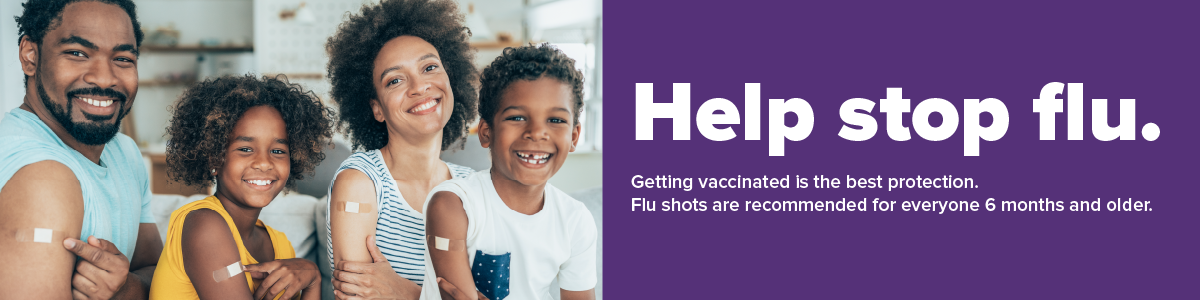
- The single best way to prevent the flu is to get the flu vaccine. Everyone 6 months of age and older should get the flu vaccine every year. The flu vaccine cannot cause the flu. The flu vaccine is given either as a shot, usually in the arm, or as a nasal spray.
- Avoid close contact with people who are sick.
- If you are sick, stay home for at least 24 hours after you are fever-free without fever-reducing medication and your symptoms are getting better overall. Consider wearing a mask when you go out to further protect others.
- Cover coughs and sneezes with a tissue and throw it in the trash after you use it. If you do not have a tissue, use the inside of your elbow to cover your face, not your hand.
- Wash your hands often with soap and water. If soap and water are not available, use an alcohol-based hand sanitizer.
- Avoid touching your eyes, nose, and mouth. This is how germs spread.
Why do I need to get the flu vaccine every year?
New flu vaccines are produced every year to keep up with flu viruses that change rapidly over time. Also, antibodies to the flu virus decline over time, which is another reason to get a flu vaccine annually.
Can I catch the flu from getting the flu vaccine?
The flu vaccine does not give you the flu. It stimulates your body to produce antibodies. These antibodies protect you from flu viruses. Once you get the flu vaccine, it takes about two weeks for it to be fully effective. You should not wait to get vaccinated.
When should I get the flu vaccine?
Most people should get the flu vaccine in September or October every year. Some children need two doses of flu vaccine, so they should get the first dose as soon as it is available because the second dose needs to be given at least four weeks after the first. It takes about two weeks to be fully effective, so it is important to get it before flu season begins, if possible. But you can still get vaccinated through the spring and beyond. Even though flu season usually peaks in February, it can continue at least through May. Flu vaccine is offered at health care providers' offices, clinics, and pharmacies.
What should I or my family members do if we travel out of the country?
Your risk for being exposed to the flu depends on what time of year you travel and where you go. In the Northern Hemisphere, flu season can begin as early as October and last until May. In the Southern Hemisphere flu season occurs from April through September. In tropical climates, flu can occur all year. Traveling with groups of international travelers, such as on a cruise ship, can increase your risk of exposure.
Vaccination is the best defense against both the flu and COVID-19. Both vaccines are necessary to help people stay healthy and to avoid added stress to our health care system. It's safe to get the flu vaccine and a COVID vaccine at the same time.
It may be hard to tell the difference between the flu and COVID-19 because many of the symptoms are similar. Testing may be needed to help confirm a diagnosis. You can also learn about the similarities and differences between flu and COVID-19 here or talk to your health care provider.