Older Adult Fall Prevention
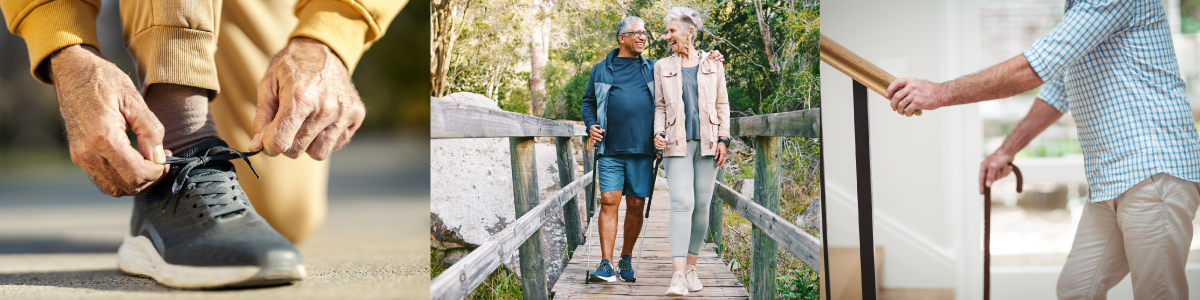
Falls are the leading cause of injury deaths, hospitalizations and emergency department visits among adults 65 and older. Falls can result in lasting, serious consequences, affecting mobility, independence and mental health. However, falls are preventable. Learn how to protect yourself and stay strong to prevent falls.
Tips to Prevent Falls
- Exercise regularly. Find activities you enjoy, such as yoga, swimming, dance, or even walking or find an evidence-based program to improve your balance and strength.
- Wear shoes or slippers with rubber soles inside the house. Avoid going barefoot or wearing slippers without grip or tread.
- Keep your home tidy. Remove things you can trip over from stairs and places where you walk.
- Remove small rugs or use double-sided tape to prevent rugs from slipping.
- Keep items you use often in cabinets you can reach easily without using a step stool.
- Install grab bars next to your toilet and in the tub or shower.
- Put non-slip mats in the bathtub or shower floor.
- Talk with your healthcare provider. Ask for recommendations on fall prevention activities or physical therapy and review all the medications you take. Some medicines can make you sleepy or dizzy, increasing the risk of a fall.
- Get your vision checked at least once a year.
Risk Factors
- Leg and lower body weakness
- Poor balance
- Difficulty walking
- Vision impairment
- Fear of falling
- Chronic conditions
Effects of a Fall
Falls do not always result in injury, but they can often have lasting, serious consequences. Injuries from falls can affect mobility, independence, and mental health. In some cases, falls can result in hospitalization, the need for rehabilitation or a nursing home, and even death. Some effects of a fall can include:
- Broken bones, such as a wrist, arm, ankle, or hip fracture.
- Head injuries. Older adults should see their healthcare provider immediately if they fall and hit their head.
- Fear of falling. A fall can increase someone's fear of falling which increases their risk.
Additional Resources
- Older Adults: Stay Steady, Stay Strong Fall Prevention Classes
- New York State Office for the Aging
- CDC STEADI - Older Adult Fall Prevention
- The National Council on Aging
- Check for Safety: A Home Fall Prevention Checklist for Older Adults (PDF)
- National Council on Aging 6 Steps to Prevent a Fall video
- Traumatic Brain Injury
- Fall Injury Statistics
