Doxycycline Post-Exposure Prophylaxis (Doxy-PEP)
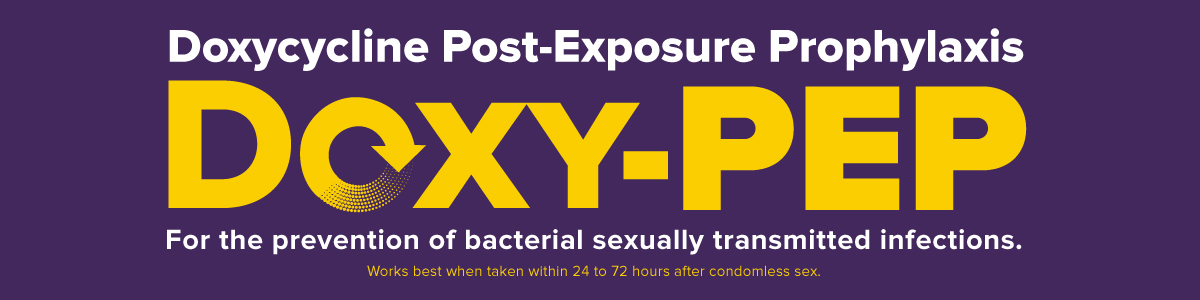
What patients need to know about Doxycycline Post-Exposure Prophylaxis (Doxy-PEP)
What is it?

Doxycycline Post-Exposure Prophylaxis or Doxy-PEP is a way to help prevent getting the sexually transmitted infections (STIs) chlamydia, gonorrhea and/or syphilis by taking the antibiotic doxycycline after condomless sex.
When to use it:

Doxycycline Post-Exposure Prophylaxis (Doxy-PEP) should be taken preferably within 24 hours, but no later than 72 hours after condomless sex (oral, anal, and/or vaginal sex when a condom is not used for the entire time).
Talk to a health care provider:

Doxycycline Post-Exposure Prophylaxis or Doxy-PEP must be prescribed by a health care provider.
Find a Health Care Provider at: AIDS Institute Provider Directory or Find a Health Center (hrsa.gov)
Find a Doxy-PEP (Doxycycline Pre-Exposure Prophlylaxis) Provider (cdc.gov)
How to take Doxy-PEP:

Doxy-PEP is taken as a 200 mg. dose at one time.
Do not take more than 200 mg of Doxy-PEP in a 24-hour period.
Patients should not share their Doxycycline Post-Exposure Prophylaxis (Doxy-PEP) with others. If others could benefit from taking Doxy-PEP, they should consult a health care provider.
What are other ways to prevent STIs?
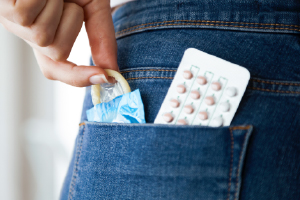
Establish a sexual health routine that includes consistent condom use and regular testing and treatment for you and your sex partner(s).
- Get Tested for STIs
- EPT to treat your sexual partners for STIs
- HIV PrEP for HIV prevention
For additional prevention information and resources.
Other Information:

Doxycycline Post-Exposure Prophylaxis or Doxy-PEP can help prevent the bacterial infections chlamydia, gonorrhea and syphilis.
- It does not help prevent pregnancy.
- It does not help prevent HIV, mpox, or other viral infections.
- Regular HIV and STI testing is important to identify and treat any infections.
Reminders about your sexual health:
- Discuss your sexual activity with your healthcare provider to see if Doxy-PEP is right for you and explore other ways to protect your sexual health.
- It is common to have a sexually transmitted infection (STI) and experience no symptoms at all.
- Continue to get tested (cdc.gov) for sexually transmitted infections (STIs) every 3 months and whenever you have symptoms or have been exposed to a sexually transmitted infection (STI).
- Get tested for HIV and talk to your health care provider about HIV pre-exposure prophylaxis (HIV PrEP) and post-exposure prophylaxis (PEP) for HIV prevention.
- Two effective vaccines that are essential to sexual health are:
- If you are living with HIV, continue to take your medications and see your health care provider regularly.
