Mpox

What Mpox is:
Mpox is a viral illness that is rarely fatal, and infections are most often mild. The primary symptom is a skin rash/sores, and it is spread mainly through close contact.
Mpox sores can be extremely painful and leave permanent scarring. Information on testing and managing mpox symptoms can be found on the If You Are Sick or Exposed tab.
The mpox virus is in the same family of viruses that causes smallpox. It is not related to chickenpox.
Most people will recover fully from mpox within 2 to 4 weeks without needing medical treatment. However, serious illness and death can occur, especially among people with immunocompromising conditions like HIV, older adults, young children, and pregnant women.
Clade I outbreak information
There are two types of mpox virus: clade I and clade II. Clade II is responsible for the global outbreak that began in 2022. In 2024, a large outbreak of Clade I mpox began in Central and Eastern Africa. Since then, transmission has been identified in some parts of Europe and the United States. While clade I mpox has historically been thought to be more transmissible and cause more severe illness than clade II, recent data suggest the severity of clade I and II mpox to be similar.
Clinical care and vaccination for clade I and clade II mpox remains the same.
How Mpox Spreads:
Mpox is primarily spread through close, intimate contact (e.g., oral, anal, or vaginal sex; kissing; face-to-face contact). Transmission occurs through direct contact with:
- Mpox sores, scabs, or rashes; and
- Respiratory droplets, saliva, or mucus of someone with mpox.
While less likely, mpox can also be spread:
- By touching objects, fabrics, or surfaces (e.g., clothing, bedding, towels) used by someone with mpox;
- To the fetus during pregnancy, or to the newborn during or after birth; and
- To humans who have close contact with an infected animal in areas where mpox is endemic, such as West and Central Africa (e.g., rope and sun squirrels, giant-pouched rats, African dormice).
In the current outbreak, mpox transmission has primarily affected gay, bisexual, and other men who have sex with men (MSM), but anyone can get mpox. Those recommended to receive vaccination for mpox can be found here.
What Are the Symptoms of Mpox?
Mpox symptoms typically start within three (3) weeks of exposure to the virus; mpox illness usually lasts 2-4 weeks. Symptoms of mpox can include:
- Rashes, bumps, or blisters on or around the genitals or in other areas like your hands, feet, chest, or face.
- Flu-like symptoms, such as fever, headache, muscle aches, chills, and fatigue. These symptoms may occur before or after the rash appears, or not at all.
If you have been exposed to mpox or have symptoms, see What to Do If You Are Sick or Exposed.
How to Protect Yourself from Mpox:
Protect yourself from mpox by taking these simple steps:
- Get two-doses of JYNNEOS mpox vaccine if recommended.
- Avoid skin-to-skin contact with someone who has a rash or other mpox-related symptoms.
- Talk with your sexual partner(s) about whether they have a rash or other symptoms of mpox or other sexually transmitted infections (STIs), and if so, seek testing and treatment.
It is especially important for those who may be at higher risk for severe illness, including people with weakened immune systems, to protect themselves from mpox.
View Mpox Rash Images
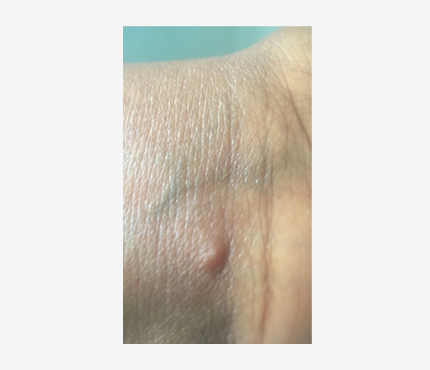
Photo Credit: NHS England High Consequence Infectious Diseases Network
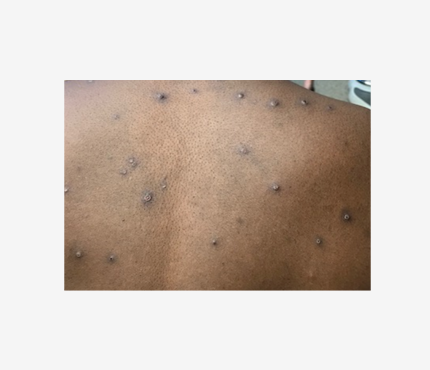
Photo Credit: NHS England High Consequence Infectious Diseases Network
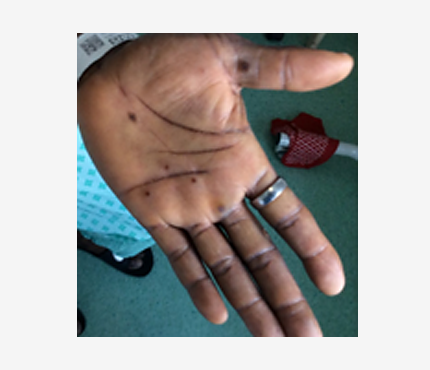
Photo Credit: NHS England High Consequence Infectious Diseases Network
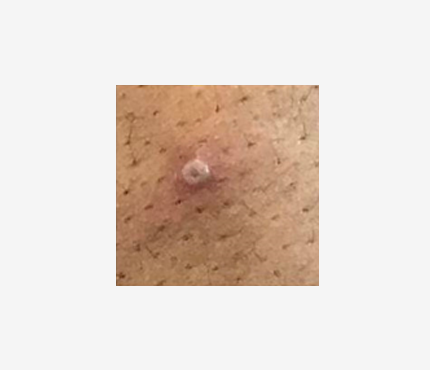
Photo Credit: NHS England High Consequence Infectious Diseases Network
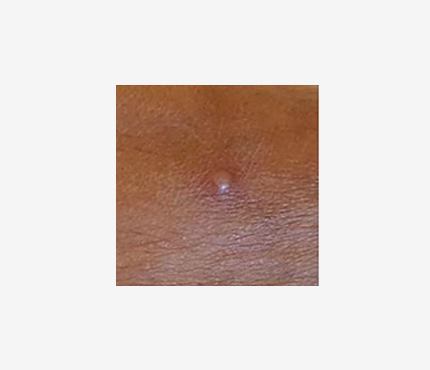
Photo Credit: NHS England High Consequence Infectious Diseases Network
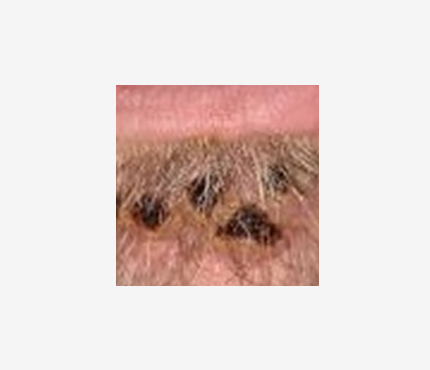
Photo Credit: NHS England High Consequence Infectious Diseases Network
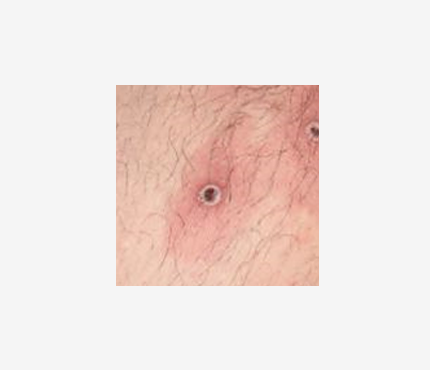
Photo Credit: NHS England High Consequence Infectious Diseases Network
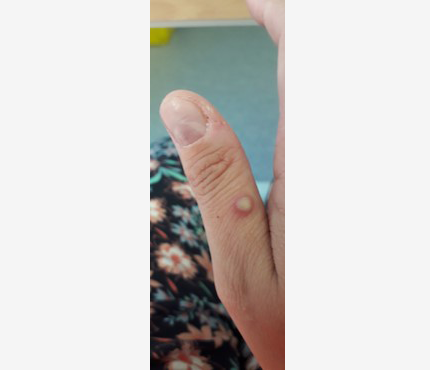
Photo Credit: NHS England High Consequence Infectious Diseases Network
Resources
NYSDOH Downloadable Materials:
- 3 Steps to Manage Mpox
- Mpox and Sexual Health: What you Should Know
- Palm Card
- Information Card
- Poster: Mpox Vaccination - It Take Two Doses (Publication #13750)
- Poster: Mpox Vaccination - It Take Two Doses - Clasped Hands (Publication #13751)
- Poster: Mpox Awareness - Know (Publication #13752)
- Poster: Mpox Awareness - Know – Body (Publication #13753)
- Poster: Mpox Awareness - Know – Tattoo (Publication #13754)
- Poster: Mpox Awareness - Know – Arm (Publication #13755)
- New York State Mpox Social Media Toolkit
Additional NYSDOH Resources:
- Questions and Answers Regarding Mpox For Administrators and Staff of Institutions of Higher Education (IHEs) such as Colleges and Universities (Also available in Spanish)
- Guidance for Cleaning and Disinfection of Non-Healthcare Settings: During and After Isolation for Mpox (Also available in Spanish)
