Extreme Heat Advice
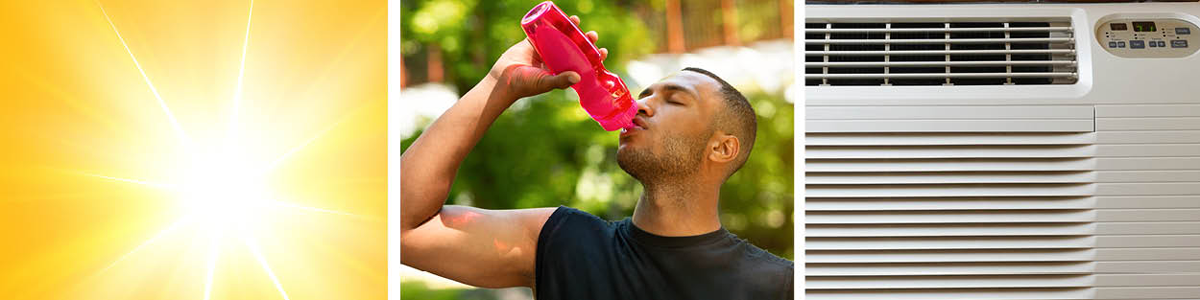
Extreme heat is one of the most dangerous weather conditions.
Extreme heat is deadly. New Yorkers' bodies are not used to long periods of extreme heat, and this increases our risk. Health risks include dehydration, heat cramps, heat exhaustion, heat stroke, and worsening of health conditions. Everyone is at risk for heat-related illness, but older adults, children, people who work outdoors, and people with existing health conditions are at more risk of getting sick when it's hot. Learn about Extreme Heat and Health in New York State and how summertime temperatures impact New Yorkers.
Featured Hot Weather Resources
-
Get your HeatRisk for this week and actions you can take to keep you and your family safe.
-
Climate Change and Extreme Weather: A Guide for Summer Camp Operators: A changing climate affects children and staff health and safety. This guide explains climate threats and provides tips and resources to help summer camps prepare and adapt activities during weather emergencies.
New York State Employer Guidance: Protecting Workers from Extreme Heat. New York State Department of Labor (NYSDOL) guidance and best practices for employers to protect outdoor workers in extreme temperatures, poor air quality, and extreme weather.
Keep kids out of hot cars!
More than half of children who died in a hot vehicle were forgotten by a parent or caregiver. In just 10 minutes, a car can heat up and become deadly.
Learn more at Keep Kids Out of Hot Cars!.
Cool off in air conditioned spaces for a few hours a day to reduce your risk of heat-related illness.
If you don't have an air conditioner, visit a cooling center.
Cooling centers are air-conditioned places to cool down during extreme heat. Recreational areas, including spray parks and community pools, are also great places to cool off. Find a cooling center near you.
Eligible households can get a Cooling Assistance benefit to buy and install an air conditioner while supplies last.
Check to see if applications are open and learn more using this English and Spanish flyer.
Prepare for the heat.
- Stay hydrated by drinking plenty of fluids, but avoid alcohol, caffeine and sugary drinks.
- Take regular breaks when working or playing outdoors and avoid strenuous activity during the hottest part of the day (between 11 a.m. and 4 p.m.).
- Plan ahead for heat waves or when indoor temperatures pose a risk of heat-related illness, especially if you are an older adult or family caregiver.
- Make sure that you can open your windows and/or that your air conditioner is working properly.
- Talk to your doctor or pharmacist to learn more about medications that might make you sensitive to the sun or heat.
Learn more at Keep Your Cool During Summer Heat
Know the symptoms of heat-related illness.
| Illness | Symptoms | What to Do |
|---|---|---|
| Heat stroke (sun stroke) THIS IS AN EMERGENCY - ACT FAST! |
|
|
| Heat exhaustion |
|
|
| Heat cramps |
|
|
| Heat rash |
|
|
