Hidden Sources of Lead at Home
Lead Sources
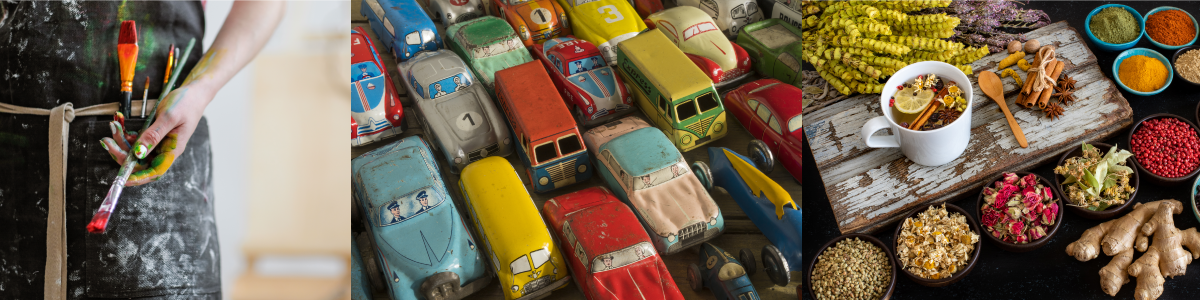
Lead is in a variety of consumer products and foods. It can come from the environment where the product is grown or processed, or it can be added as an ingredient. Common items such as food and spices, cookware, herbal and folk remedies, cosmetics and cultural powders, antiques, jewelry, collectibles, and art supplies have been found to contain lead.
Lead poisoning is extremely dangerous for adults and children.
Daily use of products that contain lead increases your risk of lead poisoning. After lead gets in the body, it can cause lifelong brain damage, permanent injuries, and disabilities. There is no safe level of lead. Many people with lead poisoning don’t feel sick. A blood lead test is the only way to know if you have high levels of lead.Products that Contain Lead
- Food, candy and spices from other countries, such as brightly colored spices, cocoa, and dark chocolate can contain lead. Read labels and eat foods, spices, and candies made in the United States. U.S. companies are required to monitor food safety and recall unsafe products.
- Colorful dishes and cookware can contain lead. When food and drinks are prepared or served in these items lead can be consumed. Pay attention to labels that warn against using items for serving or preparing food or drinks.
- Herbal and folk remedies are commonly used in many cultures. Many can be safely used. However, some have high levels of lead that can cause lead poisoning and other health problems. Read labels and avoid products that include: naga bhasma, hongdan, huangdan, litargirio, azarcon, and greta.
- Certain imported ceremonial products and cosmetics baby powder, and deodorant powders can contain lead. These products come in a variety of colors and lead can be used to darken or brighten cosmetics. Look for products that are labeled lead-free.
- Certain jewelry, religious items, and souvenirs made in other countries can contain lead. Look for products that are labeled lead-free.
- Antiques and collectibles such as furniture, toys, ceramics, and glassware may contain lead. Use your antique ceramics and glassware for decoration or save them for special occasions. Keep other collectibles away from children and wash hands after touching them.
- Learn about lead-safe work practices in Renovation, Repair, and Painting. Assume anything made before 1978 contains lead paint and can create lead dust.
- Lead is allowed in certain art supplies such as paints, pigments, metals, and glass can contain lead. Art supplies must have warning labels if they contain lead. Check labels for warnings and ingredients on products you use. Lead is often referred to by its chemical symbol (Pb).
Make Informed Choices
- Your religion, traditions, and culture are important.
- Be aware that some of the foods and products you use may contain lead.
- Daily use of products that contain lead increases your risk of lead poisoning.
- If you use products that can contain lead, talk to your health care provider about a blood lead test.
- Good nutrition may help to reduce the effects of lead. Foods high in iron, calcium and Vitamin C may help reduce the amount of lead that is absorbed by the body. Good Nutrition Helps: Reduce the Effects of Lead!
- Herbal supplements or the use of holistic medicine should be reviewed by a healthcare provider. It will ensure that there are no possible medication interactions or forms of medicine that may be harmful to your health.
- The urge to eat non-food items such as chalk, soil, clay, pottery or paint chips is common in young children and in pregnant people and may be a sign of pica (the urge to eat nonfoods) behavior.
- The concern is that these non-food items may contain lead as well as other toxic substances or harmful parasites. Pica is often a natural biological response to an underlying deficiency such as a vitamin or mineral. If you feel the urge to eat non-food items, do not be embarrassed. This is a common behavior.
- Talk to your a healthcare provider for help.
Look for These Product Safety Labels
- United States Pharmacopeia (USP) certification tests dietary supplements to ensure the ingredients match the label, and that harmful ingredients such as heavy metals are not included.
- National Sanitation Foundation (NSF) certification can be for ingredient quality, good manufacturing practices (GMP) and other types of certifications based on product type.
- Consumer Lab Certification (CL) certification shows that the product has been tested for quality, tested for specific ingredients and has met certain standards.
- Natural Products Association (NPA) certification shows that a company uses good manufacturing practices (GMP) verified through inspections of facilities and documentation.
Additional Resources
- Information for Pregnant People (ny.gov)
- Advice for Healthcare Practitioners
- Lead Poisoning: Lead and Road Construction
- Beware of Lead
- Lead on the Job: A Guide for Workers (Available in English and Spanish)
- Information for Consumers on Using Dietary Supplements | FDA
- Mixing Medications and Dietary Supplements Can Endanger Your Health | FDA
- Medication Safety and Your Health | Medication Safety | CDC
- Order lead publications
