New York State Health Advice on Eating Fish You Catch
Translations
Fishing is a fun, healthy activity for the whole family, and fish are a great choice for a healthy diet. However, some fish contain chemicals at levels that can be harmful. Use the links and drop-down menu below to help you make healthier choices about eating the fish you catch. There is different advice based on who you are, where you fish, what you catch, and how much fish you eat.
Find the Advice on Eating Fish you Catch
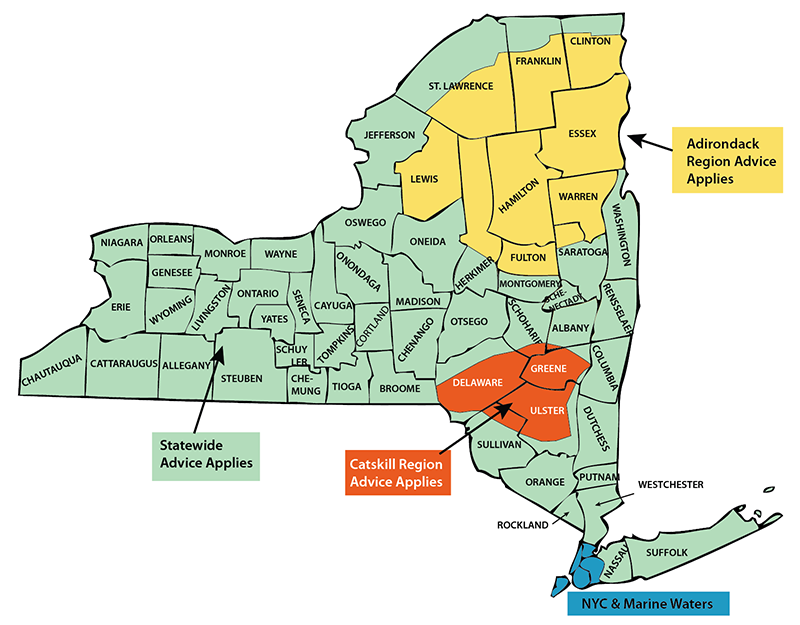
There are three advisory regions within New York State. The Adirondacks, the Catskills, and the rest of the state (Statewide Advice). Use the drop down list to find out if your water has specific advice.
If your water is not listed, look for the "all other waters" icon and follow the Statewide Advice or corresponding Adirondack/Catskill Regional Advice.
What's New for 2026
The New York State Department of Health (DOH) has set new advice for
- Browns Pond (Orange County)
- Catharine Creek (Chemung, Schuyler counties)
- Cranberry Lake (St. Lawrence County)
- Ellicott Creek (Erie County)
- Gill Creek (Niagara County)
- Hards Lake (Suffolk County)
- Lake George (Warren County)
- Ramapo River (Orange County)
- Shaker Creek (Albany County)
- Swan Pond (Suffolk County)
- Unnamed Stream from Schenectady Airport (Schenectady County)
- Black River (Jefferson County)
- Canadice Lake (Ontario County)
- Cayuga Creek (Niagara County)
- Dyken Pond (Rensselaer County)
- Hoosic River (Rensselaer County)
- Hudson River, Rip Van Winkle Bridge at Catskill to NYC Battery (multiple counties)
- Lake Champlain, Cumberland Bay area (Clinton County)
- Lake Erie and Niagara River upstream of Niagara Falls (Chautauqua and Erie counties)
- Lake Ontario (multiple counties)
- Mohawk River/Erie Canal (multiple counties)
- Onondaga Lake (Onondaga County)
- Patroon Creek (Albany County)
- Seneca Lake (Ontario, Schuyler, Seneca, Yates counties)
Who You Are Matters
- People who can get pregnant (under age 50) and children under age 15 should follow the more protective Sensitive Population advice.
- Chemicals in fish can have a greater effect on childhood development and unborn babies. Many of these chemicals can stay in the human body for decades. People who eat highly contaminated fish and get pregnant may be at higher risk of having children who are slower to develop and learn. Breastfeeding can also pass on some of these chemicals to a baby.
- Everyone else may have fewer health risks and can eat more fish by following our General Population advice.
- Adirondack and Catskill freshwaters continue to have their own Regional Advice for eating fish you catch.
Regional Brochures
View the advice "by fish" for the different fish advisory regions. For a list of all publications and how to order, follow this link.
Adirondack Region
Advice on eating fish caught from the Adirondack Region waters in Essex, Fulton, Hamilton, Lewis, Warren and parts of Clinton, Franklin, Herkimer, Saratoga, St. Lawrence, and Washington counties.
Catskill Region
Advice on eating fish caught from the Catskill Region waters in Delaware, Greene, Sullivan, and Ulster counties and parts of Schoharie County. View additional languages here.
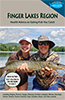
Finger Lakes Region
Advice on eating fish caught from the Finger Lakes Region waters in Allegany, Broome, Cayuga, Chemung, Cortland, Livingston, Monroe, Onondaga, Ontario, Schuyler, Seneca, Steuben, Tioga, Tompkins, Wayne, and Yates counties. View additional languages here.
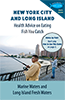
New York City and Long Island
Advice on eating fish caught from Long Island and New York City waters. View additional languages here.
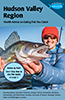
Hudson Valley Region
Advice on eating fish caught from Westchester, Rockland, Orange, Putnam, Dutchess, Ulster, Greene, Columbia, Albany, Rensselaer, Schenectady, Saratoga and Washington counties. View additional languages here.
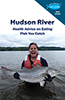
Hudson River
Advice on eating fish caught from the Hudson River, including advice about eating striped bass. View additional languages here.

Northern Hudson River
Advice on eating fish caught from the Northern Hudson River from the Adirondacks to the Federal Dam in Troy and includes advice for Saratoga, Warren and Washington counties.
Leatherstocking Region
Advice on eating fish caught from Leatherstocking Region waters in Chenango, Madison, Montgomery, Oneida, Otsego, Schoharie and parts of Herkimer counties. View additional languages here.
St. Lawrence Valley Region
Advice on eating fish caught from Leatherstocking Region waters in Chenango, Madison, Montgomery, Oneida, Otsego, Schoharie and parts of Herkimer counties. View additional languages here.
Western Region
Advice on eating fish caught from Western Region waters in Cattaraugus, Chautauqua, Erie, Genesee, Niagara, Orleans, and Wyoming counties. View additional languages here.
More Information
How We Set Advisories
Learn more about how DOH sets advisories to get the benefits of eating fish while avoiding chemicals.
Advisory Maps by County
Maps that highlight public fishing waters and provide anglers with a color-coded guide to consumption advice.
Hudson River Striped Bass
Testing over many decades has shown that some Hudson River striped bass have elevated PCB (polychlorinated biphenyls) levels.
Fish from Stores and Restaurants
The FDA and EPA provide advice to sensitive populations about consumption of fish from stores.
Free Publications
New York State Department of Health provides free educational material for fish consumption throughout the state.
About Chemicals and Bacteria in Fish
Additional information about chemicals and bacteria in fish.
Tips for Healthier Eating
You can reduce the amount of some chemicals in fish by following a few easy steps. Learn more here.
Hudson River Fish Advisory Outreach Project
Learn more about The Hudson River Fish Advisory Outreach Project here.
Regional Fish Advisory Programs
New York State Department of Health has participated in many projects related to fish consumption advisories over the years.
သင်ဖမ်းမိသော ငါးစားခြင်းနှင့်ပတ်သက်သော နယူးယောက်ပြည်နယ် ကျန်းမာရေးအကြံပြုချက်
New York State Health Advice on Eating Fish You Catch for Burmese Speakers.
New York ကီၢ်စဲၣ် တၢ်ဟ့ၣ်ကူၣ်ဘၣ်ဃးဒီးဆူၣ်ချ့လၢတၢ်အီၣ်ညၣ်လၢ နဖီၣ်န့ၢ်အီၤ
New York State Health Advice on Eating Fish You Catch for Karen Speakers.
Contact
- Questions: call 518-402-7530 or e-mail CEHEDUC@health.ny.gov.
- If you are not sure about possible fish barriers near the waters you fish, contact your local New York State Department of Environmental Conservation regional office.
- Contacts for Additional Information
